Humans are designed to obtain most vitamin D from sunlight, and many individuals who spend most or all of their time indoors may fall short of requirements. Vitamin D is not naturally widespread in food but is mostly in animal products, particularly fish and egg unimeal reviews yolks. Mushrooms also contain vitamin D, and if left out in the sun, they can absorb more.132 Foods fortified with vitamin D in the United States include cow and soy milk, orange juice, and certain breakfast cereals.
Broad Support of Plant-Based Diets from Professional and Medical Organizations and Societies
Compared to most other diets, a plant-based diet is fairly easy to maintain. It offers a lot of flexibility because there aren’t any hard and fast rules either—you can reduce your meat intake, eliminate animal products altogether, or find a happy balance in between. Lynn Grieger is a registered dietitian-nutritionist, certified diabetes care and education specialist, certified personal trainer, and certified health and wellness coach. She completed requirements to become a registered dietitian at Valparaiso University in 1987 and completed a dietetic internship at Ingalls Memorial Hospital in Harvey, Illinois, in 1988. Lynn brings her expertise in nutrition, exercise, and behavior change to her work in helping people reach their individual health and fitness goals.
Top 10 Plant Protein Recipes
The water footprint of meat production is considerably higher than that of crops for human consumption. A 2015 review published in the Journal of the Academy of Nutrition and Dietetics found that, according to data from 15 studies, people prescribed a plant-based eating plan for weight loss on average lost the equivalent of 7.5 to 10 pounds. Given the fairly wide parameters, a lot of healthy diets that focus on whole foods and fruits and vegetables are plant-based, Brie Turner-McGrievy, Ph.D., RD, professor at the Arnold School of Public Health at University of South Carolina, tells TODAY.com. Plenty of plant-based protein sources are available, including lentils, chickpeas, hemp seeds, tofu, nuts, quinoa, nutritional yeast, tempeh, black beans, and peanut butter. “A healthful plant-based diet may reduce mortality in individuals with cardiometabolic disorders mainly through the potential beneficial effects of nutrients in healthy plant-based foods,” Chen stated.
- Keep grocery costs down by buying in-season produce and sticking to simple plant-based foods such as grains, beans, and frozen and canned foods.
- A plant-based diet strengthens immunity by supplying essential vitamins, minerals, and antioxidants.
- As the interest in plant-based eating has risen, so have the options for plant-based “junk food” such as donuts and cinnamon rolls.
- The common denominator among all plant-based diets is the emphasis on plant foods as the primary source of nutrition.
- With mindful planning, these nutrients are easily obtained, ensuring plant-based eaters remain fully nourished.
- Wagner also suggests reviewing the menu before you go so you can plan your order ahead of time.
🍽 Nutrients to Watch
Consequently, even if populations improved their diets to fully align with FBDGs, the reduction in GHGEs would be on average 13%. The dietary guidance should respond to public health and nutrition priorities, food consumption patterns, sociocultural influences, food composition data and food accessibility. Plant-based diets are usually lower in calories than diets that are high in processed animal products and packaged goods (especially ultra-processed foods) are. However, you don’t need to count calories to eat a healthy diet — instead, think in terms of portions and approximate servings. While a plant-based diet can be very healthy, it sometime takes some planning to make sure you’re getting enough long-chain omega-3 fatty acids, retinol, vitamin B12 and minerals like zinc.
Is a Whole Foods, Plant-Based Diet Right for You?
Growing crops for direct human consumption is more efficient than producing animal feed. Producing plant-based foods is generally more energy-efficient than producing animal-based foods. The lower energy requirements for plant agriculture contribute to a reduction in fossil fuel consumption. Animal agriculture leads to deforestation, habitat destruction, and species extinction. A shift towards plant-based eating can alleviate the pressure on wildlife habitats and maintain biodiversity.
Is Vegan Food Always Healthy?
It’s also important to talk to your healthcare provider about appropriate supplementation for your needs. Read more about the health-related benefits at the National Institute of Health. She is the chair of the American College of Lifestyle Medicine’s Registered Dietitian-Nutritionist Member Interest Group.
Are There Any Disadvantages to Plant-Based Diets?
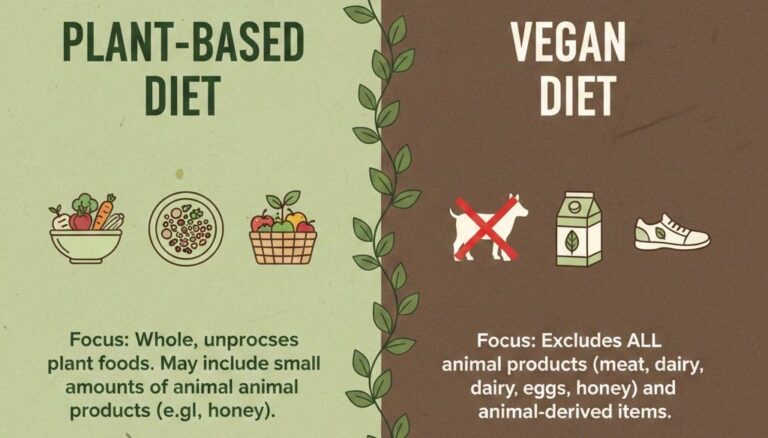
It’s also essential to pay attention to vitamin D intake, as this vitamin helps the body absorb calcium. A strong immune system is your best defense against illnesses and infections. A diet rich in plant-based foods can naturally boost immunity and reduce the risk of chronic diseases. A 2016 study published in The Permanente Journal highlighted that individuals who followed a plant-based diet experienced significant weight loss compared to those who consumed animal products. The study also noted that plant-based diets are sustainable for long-term weight management.
Easy Weight Management
Long-term research spanning two decades shows consistent positive health outcomes for those following plant-based diets. You can expect significant improvements in key health markers when switching to plant-based eating. Polyphenols in fruits, vegetables, and whole grains reduce harmful gut bacteria while promoting beneficial species. A healthy gut microbiome supports nutrient absorption and reduces inflammation.
Reduces Environmental Impact
Foods like lentils, chickpeas, tofu, tempeh, quinoa, and nuts provide ample protein. With mindful planning, these nutrients are easily obtained, ensuring plant-based eaters remain fully nourished. Transitioning to a new way of eating is more enjoyable when you have support. Join plant-based groups on social media, connect with friends who eat plant-based, or participate in online forums. Reducing animal suffering https://medlineplus.gov/recipes/ is one of the strongest moral arguments favouring a plant-based diet.
Key Benefits of Plant-Based Diets
Most Americans consume 1.5 times more protein than their daily requirements. Call restaurants in advance to ask about modifications for plant-based diets. Keep staples like nutritional yeast, tahini, and plant-based protein powder in your pantry. Plant-based proteins can fully meet your daily requirements when properly planned. Cruciferous vegetables like broccoli, cabbage, and kale are particularly effective at reducing inflammatory markers. The key is making sustainable changes that work for your lifestyle and preferences.